 0
0
 0
0
- Why Proper Lantus Insulin Storage Matters
- Understanding Lantus: Basics and Shelf Life
- What Affects Lantus Stability?
- Recommended Temperatures and Storage Duration
- Quick Reference Table: Temperatures and Durations
- Step-by-Step: Storing Unopened Lantus
- Packing Tips for Travel with Unopened Lantus
- Storing Lantus Pens and Vials in Use
- Daily Handling Best Practices
- Avoiding Heat and Sun Exposure
- What to Do If Insulin Gets Too Warm
- What to Do If Lantus Freezes
- Preventing Freezing in Cold Climates
- Handling and Agitation Concerns
- Why Agitation Matters
- Storing Open Vials: Tips and Tricks
- Using Multiple Vials Safely
- Traveling with Lantus: Practical Advice
- Air Travel and Security Screening
- Storage During Power Outages
- Longer Outages and Replacement Options
- Labeling, Tracking, and Organizational Hacks
- Apps and Digital Reminders
- Disposal of Expired or Damaged Lantus
- Sharps Disposal for Needles and Syringes
- Special Cases: Insulin Pumps and Lantus
- Mixing Insulins and Storage Implications
- Common Mistakes to Avoid
- Signs Your Lantus May Be Compromised
- Tips for Caregivers and Family Members
- Teaching Children and Teens
- Cost-Saving Strategies Without Compromising Safety
- When to Contact Healthcare Professionals
- Summary: Key Lantus Insulin Storage Tips
- Frequently Asked Questions (FAQs)
- References
Why Proper Lantus Insulin Storage Matters
Proper storage keeps Lantus insulin effective and safe. Insulin loses potency when exposed to heat, cold, or sunlight. Consequently, you may get unpredictable blood sugar control if it degrades.
Moreover, improper storage can change insulin’s appearance. You might notice clumping, color changes, or particles. These signs mean you should not use the product. Following Lantus insulin storage tips helps prevent waste and keeps dosing consistent.
Understanding Lantus: Basics and Shelf Life
Lantus (insulin glargine) provides long-acting insulin coverage. Manufacturers design it to deliver steady basal insulin for up to 24 hours. Therefore, it helps reduce peaks and troughs in blood glucose.
Unopened Lantus vials and pens have specific shelf lives. Typically, unopened products last until the expiration date when refrigerated. Once opened or in use, storage time drops. For example, most pens last 28 days at room temperature. Always check your product-specific instructions.
What Affects Lantus Stability?
Temperature tops the list of factors that affect Lantus stability. Heat accelerates chemical breakdown. Meanwhile, freezing damages the insulin’s structure.
Light exposure and agitation also matter. Direct sunlight can degrade insulin. Vigorous shaking may create bubbles and degrade activity. Lastly, contamination from improper handling shortens usable life.
Recommended Temperatures and Storage Duration
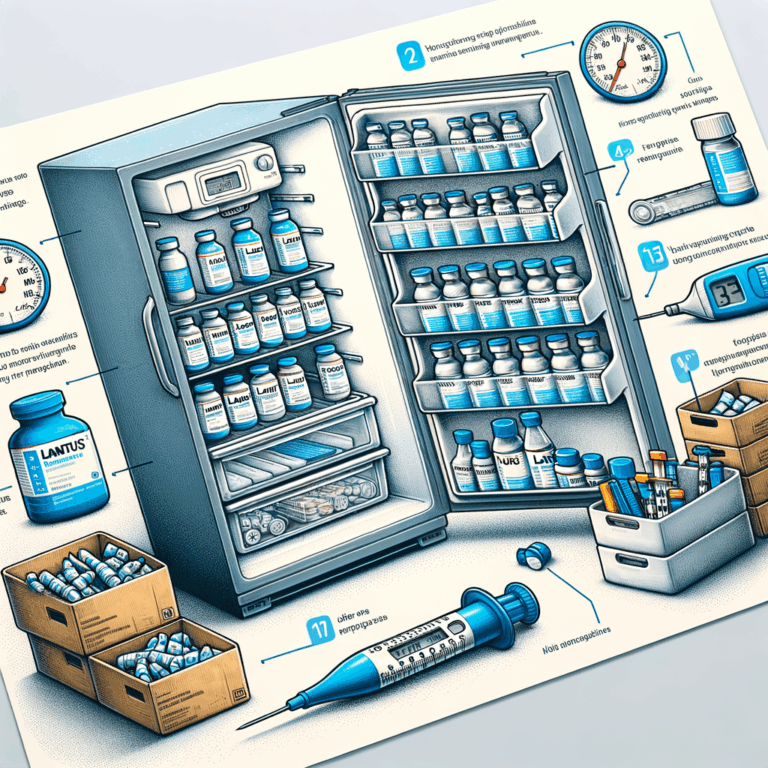
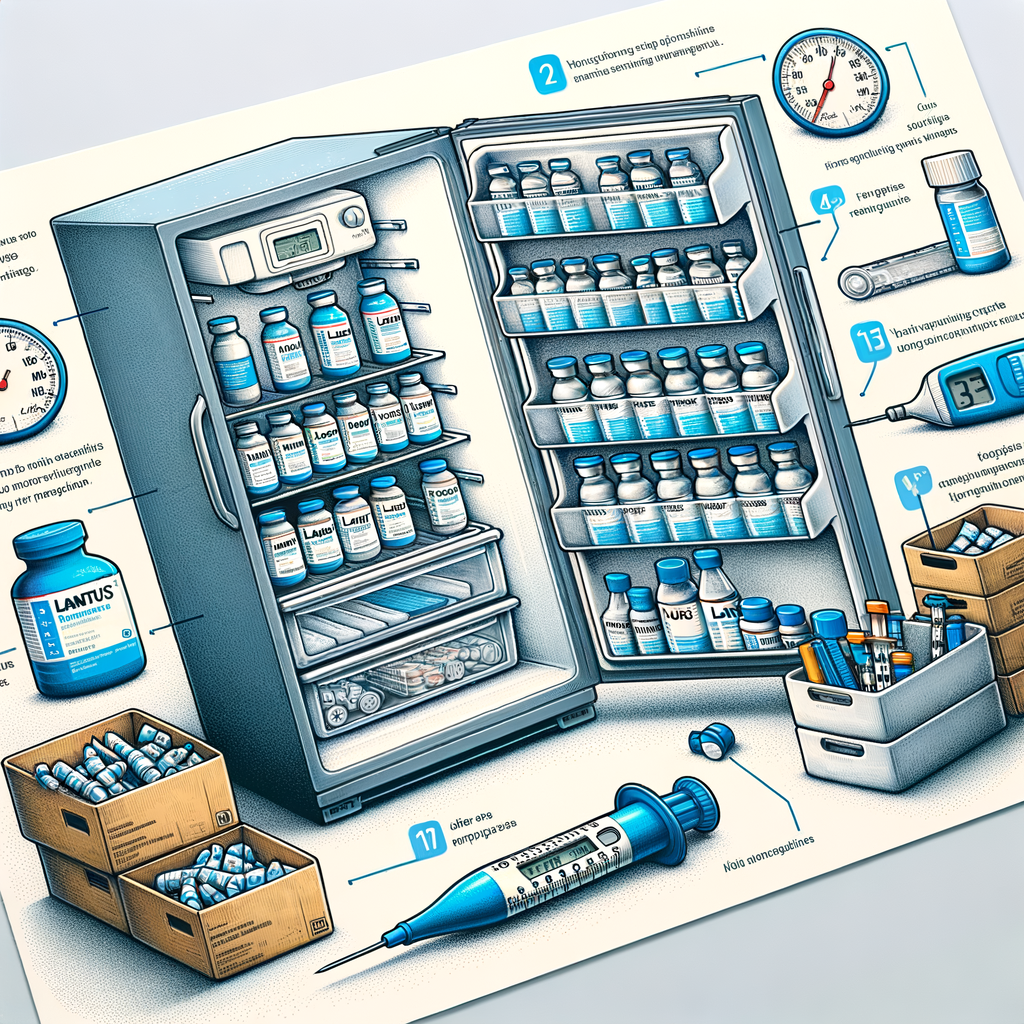
You should refrigerate unopened Lantus between 36°F and 46°F (2°C–8°C). Keep it in the main compartment of the fridge. Avoid the freezer compartment and the fridge door.
Once in use, Lantus pens or vials may be kept at room temperature. The recommended room temperature range is 59°F to 86°F (15°C–30°C). Use them within 28 days after first use. Discard the product after 28 days even if insulin remains.
Quick Reference Table: Temperatures and Durations
| Product State | Storage Temperature | Usable Duration |
|---|---|---|
| Unopened (refrigerated) | 36°F–46°F (2°C–8°C) | Until expiration date |
| Opened/In use (room temp) | 59°F–86°F (15°C–30°C) | Up to 28 days |
| Exposed to freezing | <32°F (<0°C) | Discard immediately |
Step-by-Step: Storing Unopened Lantus
First, store unopened Lantus in the original carton. The carton protects insulin from light and labels preserve instructions. Second, place the carton in the refrigerator’s main compartment.
Avoid the freezer and the fridge door. Freeze-thaw cycles and temperature swings reduce potency. Also, never place insulin near the refrigerator back wall where it can freeze.
Packing Tips for Travel with Unopened Lantus
When traveling, use an insulated cooler bag with ice packs. However, prevent direct contact between ice packs and insulin. Wrap the insulin in cloth or use a protective sleeve.
Try to keep ice packs outside the insulin compartment. Moreover, monitor the bag with a thermometer. Replace ice packs as needed to maintain the safe temperature range.
Storing Lantus Pens and Vials in Use
After first use, you may store Lantus at room temperature. Keep it away from direct sunlight and heat sources. Store within the 59°F–86°F (15°C–30°C) range.
Do not refrigerate pens in use, unless the label permits. Cooling can create condensation inside the pen. Consequently, that may alter dose accuracy. Always consult the product leaflet for specifics.
Daily Handling Best Practices
Always check your insulin before injections. Inspect for color changes, cloudiness, or particles. Lantus should appear clear and colorless. If it looks cloudy or discolored, do not use it.
Also, keep pens capped when not in use. The cap prevents dust and contaminants. Replace needle caps carefully and do not reuse needles to lower infection risk.
Avoiding Heat and Sun Exposure
Heat speedily degrades insulin potency. Therefore, do not leave Lantus in a parked car. Even a brief period in a hot car can damage it.
When outdoors, keep Lantus shaded. Use a small insulated pouch if you expect prolonged outdoor exposure. Furthermore, avoid placing insulin near radiators, stoves, or window sills.
What to Do If Insulin Gets Too Warm
If Lantus becomes too warm, do not use it immediately. Cool it down, then inspect its appearance. If the insulin appears altered, discard it.
Contact your pharmacist or healthcare provider if you suspect heat damage. They can advise whether to replace the product and how to obtain a new supply safely.
What to Do If Lantus Freezes
Freezing alters insulin structure and makes it ineffective. If your Lantus freezes, throw it away immediately. Even slight freezing episodes can ruin potency.
Always check for signs of freezing such as crystals, cloudiness, or an icy texture. In doubt, replace the product. It’s safer than risking poor glucose control.
Preventing Freezing in Cold Climates
During winter travel or exposure, keep Lantus insulated. Use thermal sleeves or insulated pouches. Carry hand warmers in outer pockets to stabilize temperature.
Also, avoid placing insulin against exterior walls or windows. Those areas often get very cold. Instead, keep your insulin close to your body if you must carry it outside.
Handling and Agitation Concerns
Avoid shaking Lantus vigorously. Shaking creates bubbles and can damage the insulin molecules. Instead, gently roll the vial or pen between your hands if you need to mix.
For pens, use the manufacturer’s injection technique. Follow the instructions for priming and dose setting. Proper handling maintains dose accuracy and safety.
Why Agitation Matters
Agitation can cause foam and uneven dosing. Consequently, you may deliver an incorrect insulin amount. Over time, this can worsen blood sugar control.
Therefore, always handle Lantus gently. Teach family and caregivers the correct handling steps. Simple habits reduce the risk of dosing errors.
Storing Open Vials: Tips and Tricks
Open vials require careful handling to avoid contamination. After each use, recap the vial and store it upright. Keep it in a clean area of your home.
Do not refrigerate an opened vial unless the product leaflet allows it. If storing in the fridge, place it away from freezing sections. Label the vial with the date you opened it.
Using Multiple Vials Safely
If you use more than one vial, label each with the opening date. Use the oldest vial first. Also, avoid transferring insulin between vials.
Discard any vial that becomes cloudy, discolored, or contaminated. Storing multiple vials increases the chance of mix-ups. Good organization prevents wasted insulin.
Traveling with Lantus: Practical Advice
When flying, carry Lantus in your carry-on bag. Security often allows insulin and related supplies. Keep a copy of your prescription and doctor’s note for reassurance.
Use an insulated carry case with temperature control. Place ice packs in separate compartments. Keep your insulin protected from direct contact with ice.
Air Travel and Security Screening
Inform TSA agents that you carry insulin and supplies. Items like syringes and insulin pumps are allowed with proper documentation. Also, request a private screening if needed.
Pack extra supplies in case of delays. Carry an extra pen, needles, and glucose monitoring supplies. Unexpected delays happen, so prepare for them.
Storage During Power Outages
Power outages can threaten refrigerated insulin. If you face an outage, move insulin to a cooler with ice packs. Keep it insulated and avoid direct ice contact.
Monitor the cooler temperature closely. Use a thermometer if possible. If you cannot keep the insulin within range, consider getting a new supply.
Longer Outages and Replacement Options
Contact your pharmacy or healthcare provider quickly during prolonged outages. They can advise on replacement options or emergency refills. Some pharmacies may deliver or open early during emergencies.
Also, community resources and local health departments may help. They sometimes provide temporary refrigeration or emergency supplies. Do not risk using insulin that might have been compromised.
Labeling, Tracking, and Organizational Hacks
Label your insulin with the opening date using a marker. This simple action prevents accidental use of expired in-use products. It also helps you rotate stock.
Use pillboxes or small organizers for daily doses. They simplify routines and reduce the chance of missed doses. Additionally, store backup supplies in a dedicated container.
Apps and Digital Reminders
Use medication reminder apps to track expiration dates and refills. Many apps let you set alerts for 28-day in-use windows. They also help schedule pharmacy pickups.
Moreover, keep a photo of your insulin label on your phone. The photo speeds up replacement if you lose the physical carton. Plus, it helps you verify product details quickly.
Disposal of Expired or Damaged Lantus
Do not flush insulin down the drain or toilet. Instead, follow local guidelines for medical waste disposal. Pharmacies often offer mail-back or disposal programs.
If no program exists, follow these general steps:
– Remove the insulin from packaging.
– Mix with an undesirable substance like cat litter.
– Place the mixture in a sealed container before trashing.
These steps help prevent accidental use or harm to others.
Sharps Disposal for Needles and Syringes
Dispose of used needles in approved sharps containers. Many pharmacies and clinics accept sealed sharps containers. Some communities have drop-off or mail-back options.
Never throw loose needles into household trash. This practice risks injury to sanitation workers and others. Always use proper sharps disposal methods.
Special Cases: Insulin Pumps and Lantus
Lantus typically does not go into most insulin pumps. Most pumps use rapid-acting insulin for continuous delivery. Therefore, Lantus usually remains in pens or vials.
However, if you use Lantus in a non-standard device, follow device-specific storage rules. Consult the device manufacturer and your healthcare team. Their guidance ensures compatibility and safety.
Mixing Insulins and Storage Implications
Do not mix Lantus with other insulins in the same syringe. Mixing can alter absorption and efficacy. Also, mixing may increase the risk of contamination.
If you require multiple insulin types, draw each into separate syringes. Follow your prescriber’s instructions closely. Clear separation reduces errors and maintains insulin stability.
Common Mistakes to Avoid
Avoid storing insulin in door compartments. Door temperatures swing with frequent opening. Also, never place insulin near window sills. Sunlight and heat damage the product.
Do not reuse a pen beyond the recommended days. Reusing needles increases infection risk. Moreover, extended use after 28 days lowers potency and reliability.
Signs Your Lantus May Be Compromised
Watch for changes in color, clarity, or consistency. Lantus should remain clear and colorless. If you see clumps, particles, or cloudiness, discard it.
Additionally, watch for inconsistent glucose control without other causes. If you need unusually high doses, the insulin may have lost potency. Check storage history and replace the product if needed.
Tips for Caregivers and Family Members
Teach caregivers the Lantus insulin storage tips and handling steps. Show them how to check appearance and temperature. Simple demonstrations help prevent errors.
Also, store a written emergency plan near medications. Include contact numbers, doctor’s instructions, and pharmacy info. This plan speeds responses during urgent situations.
Teaching Children and Teens
Teach young people gentle handling practices early. Show them how to store pens and vials safely. Use age-appropriate language and hands-on practice.
Encourage routine checks and labeling habits. Praise good storage behavior to build long-term habits. Finally, involve school personnel in storage plans for supplies kept at school.
Cost-Saving Strategies Without Compromising Safety
Buy only what you can reasonably use before expiration. Overstocking risks waste due to expiration or damage. Order smaller quantities if you use multiple insulin types.
Also, check with your insurance about refill timing. Some plans allow exceptions for chronic needs. Speak with your pharmacist to align supply with insurance rules.
When to Contact Healthcare Professionals
Contact your provider if you suspect insulin damage. They can provide replacement options and clinical guidance. Also, call if you experience unexpected glucose changes despite correct dosing.
Additionally, ask your pharmacist about proper storage accessories. Pharmacists can recommend insulated cases, thermometers, and travel products. Their practical advice often solves common problems.
Summary: Key Lantus Insulin Storage Tips
Store unopened Lantus in the refrigerator between 36°F–46°F. Once opened, use within 28 days at room temperature. Keep away from heat, light, and freezing.
Label and date opened products. Use insulated transport solutions for travel. Finally, inspect insulin visually and replace it if you notice any changes.
Frequently Asked Questions (FAQs)
1. How long can I keep an opened Lantus pen in the refrigerator?
– Most manufacturers recommend keeping opened pens at room temperature for up to 28 days. Refrigeration after opening can cause condensation and is generally not recommended. Check your product leaflet for any exceptions.
2. Can I store Lantus in the freezer if it’s very cold in my home?
– No. Freezing permanently damages insulin. If it freezes, discard it and replace it immediately.
3. Is it safe to use Lantus that got warm during a short car ride?
– If it only warmed briefly but looks normal, it may still be okay. However, do not use insulin that shows visible changes or if it was exposed to heat for a long period. Contact your pharmacist if unsure.
4. Can I mix Lantus with other insulins in the same syringe?
– Mixing Lantus with other insulins is not advised. Mixing can alter absorption and potency. Use separate syringes for each insulin type.
5. What should I do with partially used pens when traveling internationally?
– Keep them in an insulated case and follow the 28-day in-use rule. Carry documentation and a prescription. Also, pack extra supplies for delays.
6. Are generic long-acting insulins stored the same way as Lantus?
– Generally yes. Most long-acting insulins require similar temperature and handling precautions. Always check the specific product leaflet for differences.
7. How can I tell if my Lantus has lost potency without visible changes?
– Unexpectedly high glucose readings despite correct dosing may indicate potency loss. Consult your healthcare provider for testing and replacement advice.
8. What do I do if my home refrigerator gets too cold and I think insulin froze?
– Discard any insulin you suspect froze. Then obtain replacement insulin and keep it in a more stable location in the fridge, away from the back wall and freezer area.
9. Can I store Lantus in a mini-fridge in my bedroom?
– Mini-fridges often lack stable temperature control. If you use one, monitor the temperature with a thermometer. Maintain the 36°F–46°F (2°C–8°C) range.
10. How many extra pens or vials should I keep on hand safely?
– Keep a reasonable backup to cover short delays and travel. Ensure you use the oldest stock first. Avoid hoarding large quantities that risk expiration or damage.
References
– Sanofi. “Lantus (insulin glargine) prescribing information.” https://www.accessdata.fda.gov/drugsatfda_docs/label/2015/020773s045lbl.pdf
– American Diabetes Association. “Insulin Storage and Self-Testing.” https://www.diabetes.org/diabetes/medication-management/insulin-use/insulin-storage
– U.S. Food & Drug Administration. “Storage and Handling: Insulin and Diabetes Supplies.” https://www.fda.gov/consumers/consumer-updates/insulin-qa-what-you-need-know
– Centers for Disease Control and Prevention. “Proper Storage of Insulin.” https://www.cdc.gov/diabetes/managing/insulin-storage.html
– Mayo Clinic. “Insulin: How to store it and handle it safely.” https://www.mayoclinic.org/diseases-conditions/diabetes/in-depth/insulin/art-20045291


About the Author