 0
0
 0
0
- Section 1: Understanding Mirtazapine for Sleep
- Section 2: How Does Mirtazapine Work for Sleep?
- Section 3: The Benefits of Using Mirtazapine for Sleep
- Section 4: How to Use Mirtazapine Safely for Sleep
- Section 5: Potential Side Effects of Mirtazapine for Sleep
- Section 6: FAQs About Mirtazapine for Sleep
- References:
Section 1: Understanding Mirtazapine for Sleep
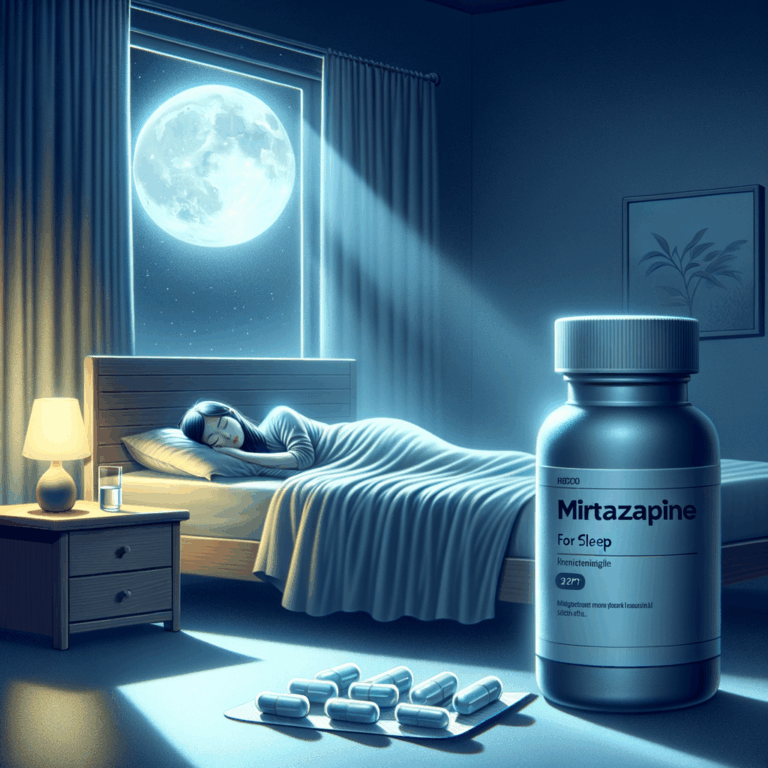
If you’ve been struggling to get a good night’s sleep, you might have come across Mirtazapine as a potential solution. Mirtazapine is a medication primarily used to treat depression, but it is also prescribed off-label for sleep issues. It belongs to a class of drugs known as tetracyclic antidepressants, which work by affecting the levels of certain neurotransmitters in the brain, such as serotonin and norepinephrine.
Many individuals who have difficulty falling or staying asleep have found Mirtazapine to be effective in improving their sleep quality. Unlike traditional sleep aids, Mirtazapine doesn’t force you to fall asleep; instead, it helps regulate your sleep-wake cycle, leading to more restful and uninterrupted sleep.
Section 2: How Does Mirtazapine Work for Sleep?
When it comes to understanding how Mirtazapine works for sleep, it’s essential to know that this medication has sedative effects that can promote drowsiness and relaxation. Mirtazapine blocks specific receptors in the brain, such as histamine receptors, which plays a role in promoting wakefulness. By inhibiting these receptors, Mirtazapine can increase the duration of deep sleep stages and reduce interruptions during the night.
Additionally, Mirtazapine can help manage anxiety and depressive symptoms, which are often underlying causes of sleep disorders. By addressing these conditions, Mirtazapine can indirectly contribute to improving sleep quality and duration.
Section 3: The Benefits of Using Mirtazapine for Sleep
One of the significant advantages of using Mirtazapine for sleep is its effectiveness in promoting deep, restorative sleep without the risk of dependence or tolerance associated with some other sleep medications. Unlike benzodiazepines or other sedatives, Mirtazapine is less likely to lead to withdrawal symptoms upon discontinuation.
Another benefit is the potential improvement in overall mental health that comes with using Mirtazapine. By addressing underlying conditions like depression or anxiety, Mirtazapine can help regulate sleep patterns in a more sustainable manner, leading to long-term benefits for both mental and physical well-being.
Section 4: How to Use Mirtazapine Safely for Sleep
To ensure the safe and effective use of Mirtazapine for sleep, it is crucial to follow your healthcare provider’s instructions carefully. Mirtazapine is typically taken orally, with or without food, usually once daily at bedtime. The dosage prescribed will depend on various factors, including your age, medical condition, and response to treatment.
It’s essential not to exceed the recommended dosage or suddenly stop taking Mirtazapine without consulting your healthcare provider, as this can lead to withdrawal symptoms or a relapse of your condition. Additionally, be mindful of potential side effects, such as drowsiness, dizziness, or weight gain, and discuss any concerns with your doctor.
Section 5: Potential Side Effects of Mirtazapine for Sleep
While Mirtazapine is generally well-tolerated by most individuals, like any medication, it can cause side effects in some people. Common side effects of Mirtazapine may include drowsiness, dizziness, increased appetite, weight gain, dry mouth, and constipation. These side effects are usually mild and temporary, but if they persist or worsen, it’s essential to inform your healthcare provider.
In rare cases, Mirtazapine may also cause more severe side effects, such as allergic reactions, irregular heartbeat, or changes in mood or behavior. If you experience any unusual symptoms while taking Mirtazapine, seek medical attention immediately.
Section 6: FAQs About Mirtazapine for Sleep
1. Can Mirtazapine be used as a standalone sleep aid?
– Mirtazapine is primarily prescribed for depression but can also be beneficial for sleep issues.
2. How long does it take for Mirtazapine to start working for sleep?
– Some individuals may experience improvements in sleep within a few days to a few weeks of starting Mirtazapine.
3. Is Mirtazapine habit-forming for sleep?
– Mirtazapine is less likely to cause dependence compared to traditional sleep medications.
4. Can Mirtazapine be taken with other sleep aids or medications?
– It is essential to consult with your healthcare provider before combining Mirtazapine with other medications to avoid potential interactions.
5. Are there lifestyle changes that can enhance the effects of Mirtazapine for sleep?
– Practicing good sleep hygiene, such as maintaining a regular sleep schedule and creating a relaxing bedtime routine, can complement the effects of Mirtazapine.
6. Can Mirtazapine cause sleep disturbances or insomnia as a side effect?
– While rare, some individuals may experience paradoxical effects like increased anxiety or insomnia when taking Mirtazapine.
7. Does Mirtazapine interact with alcohol or caffeine?
– It’s advisable to limit alcohol and caffeine consumption while taking Mirtazapine, as they can interfere with the medication’s effectiveness.
8. Can Mirtazapine be prescribed for sleep in children or adolescents?
– Mirtazapine use in children or adolescents for sleep is typically not recommended due to potential risks and lack of sufficient evidence.
9. Are there natural alternatives to Mirtazapine for improving sleep quality?
– Various lifestyle changes and natural remedies, such as regular exercise, relaxation techniques, and herbal supplements, can also help promote better sleep.
10. Can Mirtazapine lead to weight gain in individuals using it for sleep?
– Weight gain is a known side effect of Mirtazapine, but not everyone will experience this effect. Monitoring diet and exercise can help manage any potential weight changes.
References:
1. U.S. National Library of Medicine. (2021). Mirtazapine. [https://medlineplus.gov/druginfo/meds/a697009.html]
2. National Alliance on Mental Illness. (n.d.). Mirtazapine (Remeron). [https://www.nami.org/About-Mental-Illness/Treatments/Medication/Mirtazapine-(Remeron)]


About the Author